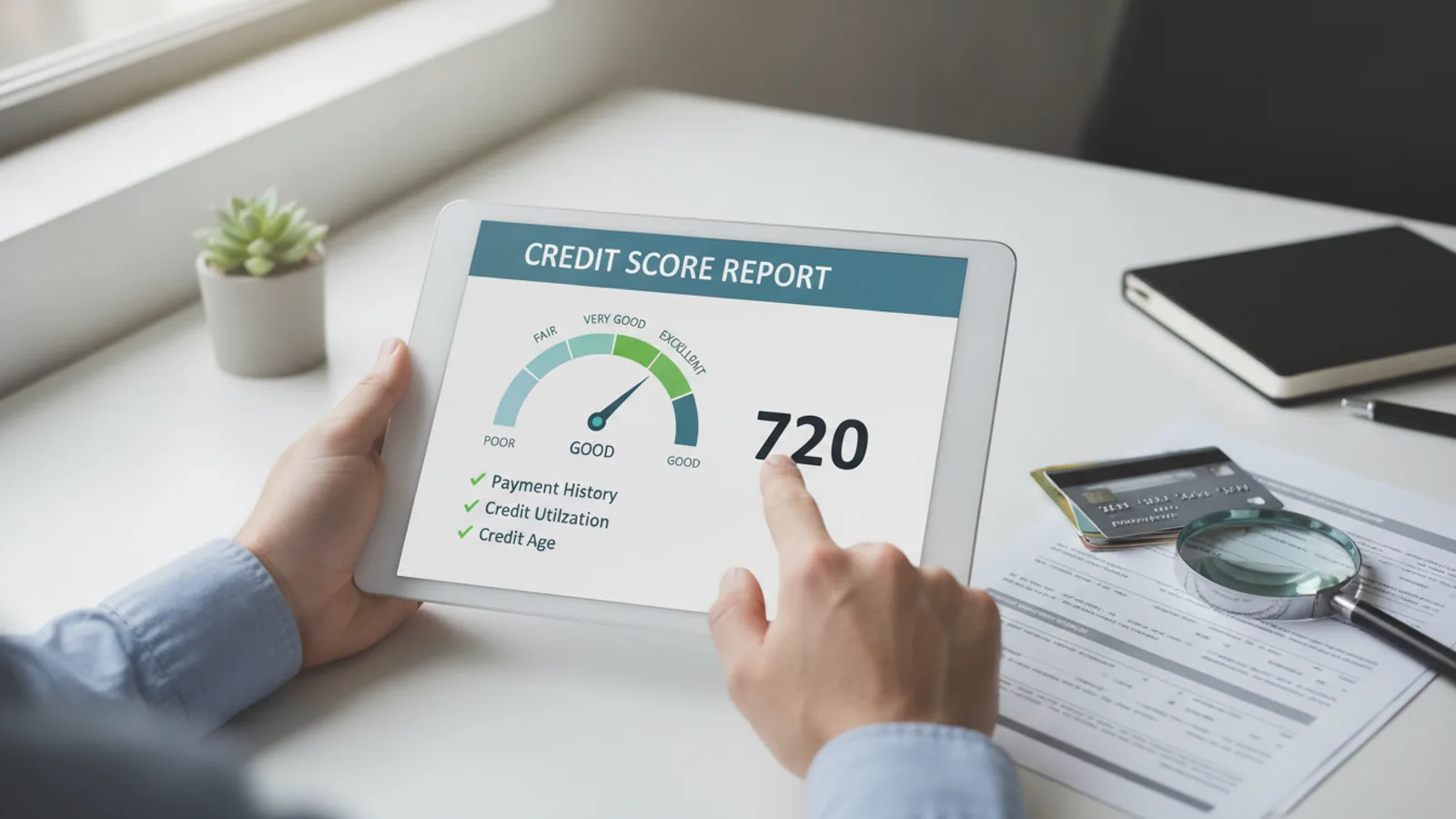
Highest Credit Score
A practical step-by-step guide to highest credit score, including preparation, instructions, common issues, tips, and next steps.

Highest Credit Score
Achieving the highest credit score is a long-term goal that signals to lenders you are a very low-risk borrower. A top-tier score can unlock the best interest rates on mortgages, loans, and credit cards, saving you thousands of pounds over your lifetime. This guide provides a clear, step-by-step process for understanding, building, and maintaining an excellent credit profile in the UK. It is designed for anyone looking to systematically improve their financial standing through disciplined credit management.
Fast Answer
- Highest Possible Score: Varies by agency (e.g., 999 for Experian, 1000 for Equifax)
- Most Important Factor: Paying every bill on time, every time
- Key Ratio to Watch: Keep credit utilisation below 30%
- Quickest Win: Register on the electoral roll
Before You Start
- Your Credit Reports: Obtain up-to-date copies from the three main UK credit reference agencies: Experian, Equifax, and TransUnion.
- List of Accounts: Compile a list of all your credit accounts, including credit cards, loans, mortgages, mobile phone contracts, and store cards. Note down the credit limit and current balance for each.
- Proof of Address: Have a recent utility bill or council tax statement ready to help with registering on the electoral roll.
- A Monthly Budget: A clear view of your income and outgoings is essential for managing payments and credit balances effectively.
Step-by-Step Instructions
Obtain and Scrutinise Your Credit Reports
Your journey to the highest credit score begins with knowing where you stand. You have a legal right to check your credit reports. In the UK, your information is held by three main Credit Reference Agencies (CRAs): Experian, Equifax, and TransUnion. Lenders may check with one or all of them, so it's vital to know what each report says about you.
You can access your reports through various services, some of which are free. Check each report carefully for any inaccuracies. Look for incorrect personal details, accounts you don't recognise (which could be a sign of fraud), or payments marked as late when you paid on time. If you find an error, contact the CRA and the lender involved immediately to raise a dispute and have it corrected.
Register on the Electoral Roll
This is one of the simplest and most effective ways to boost your credit score. Registering to vote at your current address allows lenders to easily confirm your identity and address, which makes you appear more stable and less of a risk. It's a key piece of information that CRAs use to verify who you are.
You can register online through the official government website in a matter of minutes. If you move house, make it a priority to update your registration as soon as you settle in. The positive impact of being on the electoral roll is significant and immediate.
Build a Flawless Payment History
Your payment history is the single most influential factor in your credit score calculation. Lenders want to see a long, consistent record of you meeting your financial obligations on time. A single missed payment can lower your score significantly and will remain on your report for six years.
The best way to ensure you never miss a payment is to automate everything. Set up Direct Debits for all your regular commitments, including credit card minimum payments, loan repayments, utility bills, and your mobile phone contract. This removes the risk of human error or simply forgetting.
Manage Your Credit Utilisation Ratio
Credit utilisation is the amount of credit you are using compared to the total amount of credit available to you. It's a key indicator of financial health. For example, if you have a credit card with a £3,000 limit and a balance of £1,500, your utilisation on that card is 50%.
To achieve the highest credit score, aim to keep your overall credit utilisation below 30%. Lower is even better. Lenders see high utilisation as a red flag that you might be over-reliant on credit and potentially struggling financially. Regularly paying down your balances is crucial. Spreading your borrowing across multiple cards can also help, as long as the overall percentage remains low.
Apply for New Credit Sparingly
Every time you formally apply for a credit product, the lender performs a 'hard search' on your file. This search is visible to other lenders and causes a small, temporary dip in your score. While one or two hard searches a year is normal, a large number in a short space of time can make you look desperate for credit, which is a major concern for lenders.
Before you apply for any loan or credit card, use an 'eligibility checker' or 'soft search' tool first. These tools show you how likely you are to be accepted without leaving a mark on your credit file. Only proceed with a full application if your chances of approval are high. Try to space out any necessary applications by at least three to six months.
Demonstrate Stability and Longevity
Lenders value stability. A long credit history with well-managed accounts shows them that you have a track record of being a reliable borrower. For this reason, it's often a bad idea to close old credit accounts, especially credit cards you've had for a long time.
Closing an old account does two negative things: it shortens the average age of your accounts and it reduces your total available credit, which can instantly increase your overall credit utilisation ratio. Even if you don't use an old card often, it's better to keep it open. Use it for a small, regular purchase once every few months and pay it off in full to ensure the account stays active and continues to report positively.
Sever Outdated Financial Links
If you've ever had a joint financial product with someone, like a mortgage or a bank account, you will have a 'financial association' with that person on your credit file. This means their credit behaviour could potentially affect your ability to get credit, even after you've separated.
Check the 'associations' section of your credit report. If you see an ex-partner or flatmate listed and you no longer share any active joint accounts, you should request a 'notice of disassociation' from the credit reference agencies. You'll need to prove that all joint accounts have been closed or transferred into one name. This ensures only your own financial habits are judged.
Quick Reference
| Situation | Use this | Why |
|---|---|---|
| Your credit card balance is creeping up. | Pay the balance down to under 30% of the credit limit. | High utilisation is a major red flag for lenders and heavily penalises your score. |
| You've just moved to a new flat. | Register on the electoral roll at your new address immediately. | It's the fastest and most powerful way for lenders to verify your identity and stability. |
| You're thinking of applying for a new loan. | Use an eligibility checker (soft search) tool first. | You can see your approval chances without the score-damaging hard search of a formal application. |
| You have an old credit card you no longer use. | Keep the account open. Use it for a small purchase every 6 months. | Closing it shortens your credit history and increases your overall utilisation ratio. |
Common Problems When Building Your Credit Score
Why did my score drop after I paid off a loan?
This can be worrying, but it's usually a temporary dip. When you close an account, a few things happen: your 'mix of credit' changes, and the average age of your accounts might decrease. Both can cause a slight drop. As you continue to manage your other accounts responsibly, your score should recover and even improve over the following months.
I have no credit history. How do I start?
This is known as having a 'thin file'. Lenders have no data to judge you on, which makes them cautious. The best way to start is with a 'credit builder' credit card, which is designed for people in this situation. Use it for a small amount of regular spending (like your weekly food shop) and, crucially, pay the balance off in full every single month via Direct Debit. This demonstrates you can handle credit responsibly without getting into debt.
My credit report has an error, and the lender won't fix it. What now?
If you've disputed an error with both the credit reference agency and the lender and haven't received a satisfactory resolution, your next step is to escalate the complaint. You can lodge a formal complaint with the Financial Ombudsman Service. They will independently review your case and can compel the lender to correct the error if they find in your favour.
Advanced Tips for the Highest Credit Score
Understand the Nuances Between Agencies
Remember that there isn't one single "credit score" in the UK. Experian's score goes up to 999, Equifax's up to 1000, and TransUnion's up to 710. Lenders also apply their own internal scoring criteria. The key is not to fixate on a specific number but to ensure you are in the 'Excellent' or 'Good' category with all three agencies, as this indicates positive behaviours across the board.
Optimise Utilisation with the 1% Rule
While keeping utilisation below 30% is great, for those aiming for the absolute peak, reporting a very small balance (e.g., 1-5%) can be slightly better than reporting 0%. A zero balance can sometimes be interpreted by scoring models as an inactive account. Showing tiny, controlled usage that is immediately paid off demonstrates active, perfect management.
Cultivate a Healthy Mix of Credit
Over the long term, lenders like to see that you can responsibly manage different types of credit. This includes 'revolving credit' (like credit cards, where the amount you owe can change) and 'instalment loans' (like a personal loan or mortgage, with fixed repayments). You should never take on debt for the sake of it, but as your financial life progresses, having a history of handling both types well contributes positively to your file.
Highest Credit Score FAQ
What is the highest possible credit score in the UK?
The maximum score depends on the credit reference agency: it's 999 for Experian, 1000 for Equifax, and 710 for TransUnion. However, reaching the absolute maximum is extremely rare and not necessary. Your goal should be to get into the 'Excellent' band for each agency, as this will give you access to the best financial products.
How long does it really take to get a perfect credit score?
It takes many years, often more than a decade. Achieving a top-tier score requires a very long, unblemished history of responsible credit management across various types of accounts. Instead of focusing on perfection, aim for consistent, positive progress. Significant improvements can be seen within 6-12 months.
Does checking my own credit score lower it?
No. Checking your own credit score or report is always a 'soft search'. These are never visible to lenders and have absolutely no impact on your score. It is only when you formally apply for credit that a 'hard search' is recorded.
Is it bad to have no credit cards or loans at all?
While being debt-free is a sensible financial goal, having no credit history at all can make it difficult for lenders to assess you when you do need credit (for example, a mortgage). Using a credit card for everyday spending and paying it off in full each month is an excellent way to build a positive history without paying any interest or getting into debt.
Final Checklist for Highest Credit Score
- I am registered on the electoral roll at my current address.
- I have checked my credit reports from Experian, Equifax, and TransUnion for errors.
- All my regular bills and credit repayments are paid by Direct Debit to ensure they are never late.
- My credit card balances are consistently kept below 30% of their available limits.
- I use eligibility checkers before applying for new credit to avoid unnecessary hard searches.
- I have kept my long-standing, well-managed accounts open to preserve my credit history length.
- I have checked for and removed any outdated financial associations with ex-partners.